Gentrification Explained: What’s Happening to Miami’s Historic Neighborhoods?
In South Florida and in Miami in particular, the word gentrification gets thrown around a lot. For some, “gentrification” is just growth and a sign of good change to come. For others, the word signals heartbreaking displacement for families who’ve been rooted to a neighborhood for generations.
Regardless of your stance, it’s important to understand what’s happening in our communities, and what the shifts in neighborhoods like Wynwood, Little Haiti, and Allapattah mean for locals.
What Gentrification Actually Means
At its core, gentrification happens when new investment flows into a neighborhood usually considered to be poor.
When this happens, property values rise, rents increase, and new businesses move in. For investors and financially secure homeowners, these events are considered fantastic market rejuvenators.
But for longtime residents of the gentrifying area, it also means families will struggle to keep up with the rising costs.
Donate today to Miami Affordable Magazine, South Florida's first nonprofit news outlet dedicated exclusively to affordable housing solutions. Your donations help us to provide the news for free.
Wynwood: From Arts District to High-Rise Living
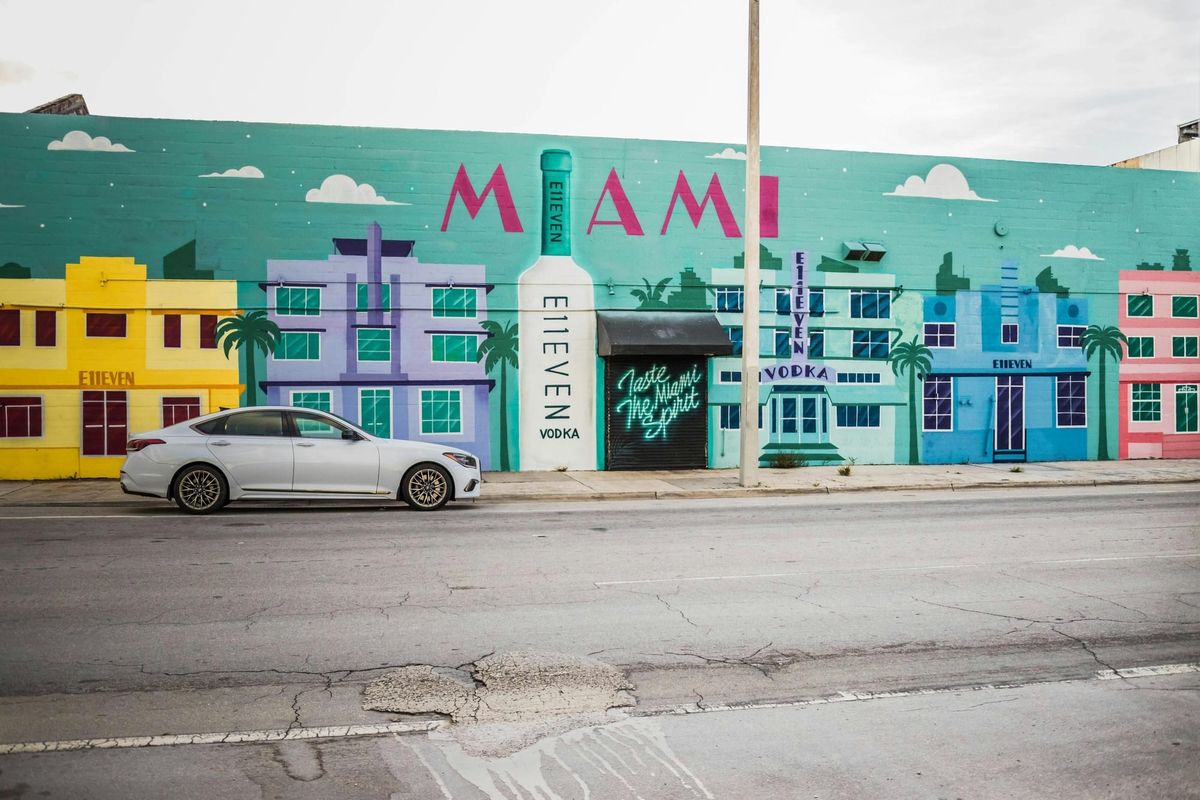
One of the more famous examples of this kind of transformation is Wynwood – a former industrial working-class area known for its graffiti to a bustling center for tourism and luxury living.
After zoning changes allowed higher-density development, the neighborhood saw major residential and hotel projects move in. As a result, the population skyrocketed from roughly 1,000 residents to about 6,000 today, according to recent Axios reporting. That doesn’t even include the plans to add new developments that will add another 3,000 to the population.
What That Means For Miami Locals:
The good news? The new development will add to infrastructure, jobs, and tax revenue for the city. The bad news? It can also price out smaller businesses and longtime residents who helped build the neighborhood’s identity long before it was the trendy hotspot it is today.
Why Little Haiti, Liberty City, and More
Miami’s Little Haiti and Liberty City neighborhoods are also experiencing rapid change. And the reason might surprise you.
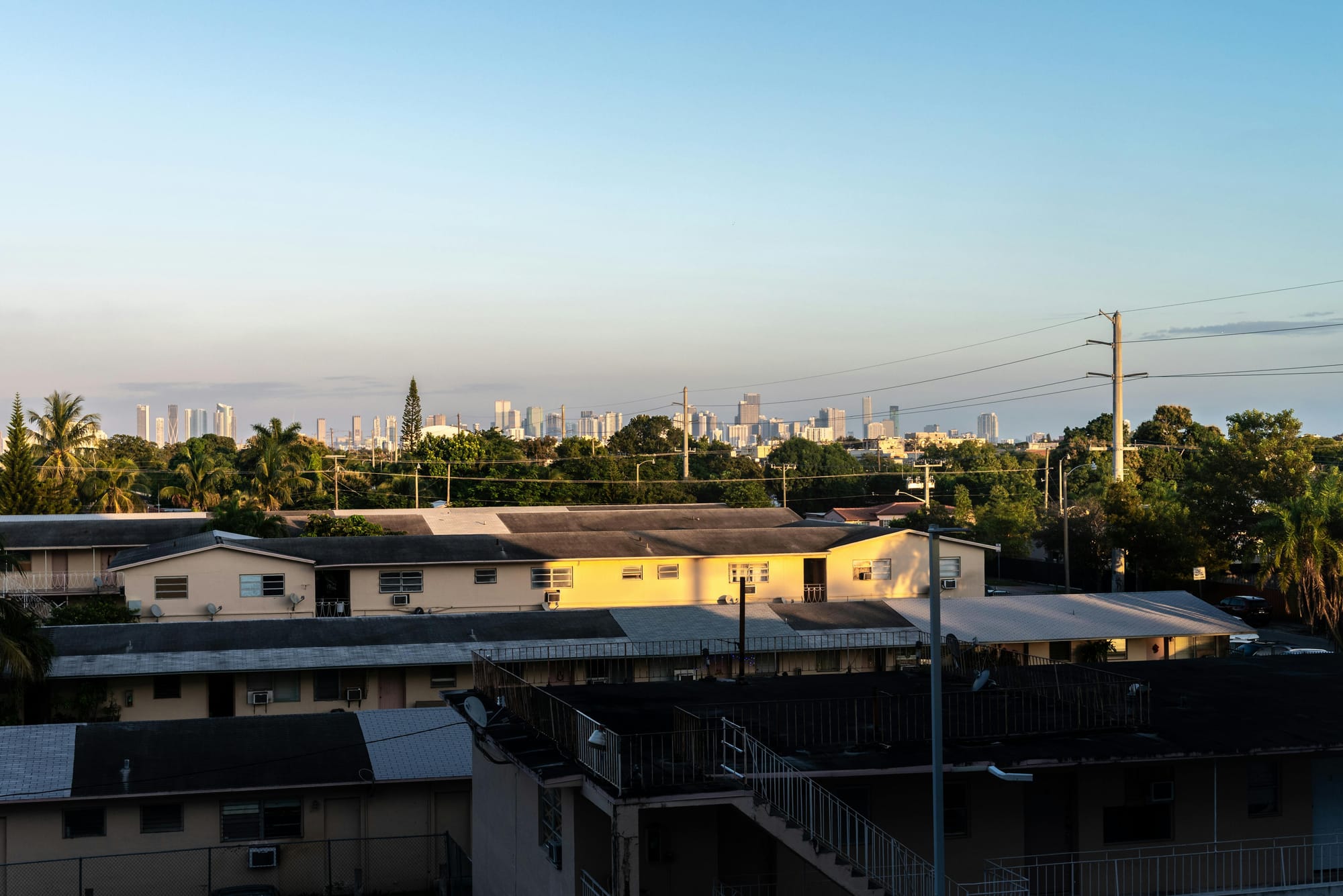
Both neighborhoods sit at slightly higher elevations than many coastal parts of Miami. As flooding concerns and insurance costs rise, elevation has become a serious consideration for buyers.
Between hurricanes and heavy rains, insurance companies have increased premiums across the state. As a result, homebuyers and investors are paying closer attention to flood risk maps and moving inland for lower insurance costs.
Some researchers call this climate gentrification. This is when areas less vulnerable to flooding attract increased investment.
What That Means for Miami Locals:
Buyers may look to these neighborhoods to reduce insurance costs. As demand increases, rents may rise due to limited housing supply. Allapattah and West Little River are not far behind.
Myth: Gentrification Is Always Bad — or Always Good
One common misconception is that gentrification is either entirely harmful or entirely beneficial. Neither are completely true.
If you’re buying a home soon, the new developments protect your home purchase.
Here’s What You Can Do About It:
Neighborhoods evolve and Miami is no exception. But these changes are happening too quickly for our locals to keep up with.
While gentrification can make our neighborhoods “look nicer,” on the surface, the rising constraints on affordability it causes does not have to go unchecked. You can help.
Get Active with Zoning Changes in the City
Neighborhoods shift long before rents spike. Those are usually the last symptoms. The first are the zoning updates that allow higher-density buildings or mixed-use development, like in the example with Wynwood.
Zoning changes, density increases, and development approvals all start in public meetings. Go to those meetings and have conversations with your elected officials about the changes developers are trying to make.
How to Attend Meetings & Contact Officials
You can contact officials for Miami-Dade County here, and officials for the City of Miami here. You can view meetings with the City of Miami here, and those for Miami-Dade County here. These can be attended online or in-person.
You can also call them, send letters, or and get active on social media. Whatever you do, don’t let these changes – good, bad, or indifferent – happen without your input.
Jessica Gervais is a Miami REALTOR® and creator of the W.I.N., a real estate and credit community for people taking their first steps into financial freedom.
Comments ()