Most Landlords Avoid Voucher Tenants. These Miami Sisters Are Doing the Opposite.
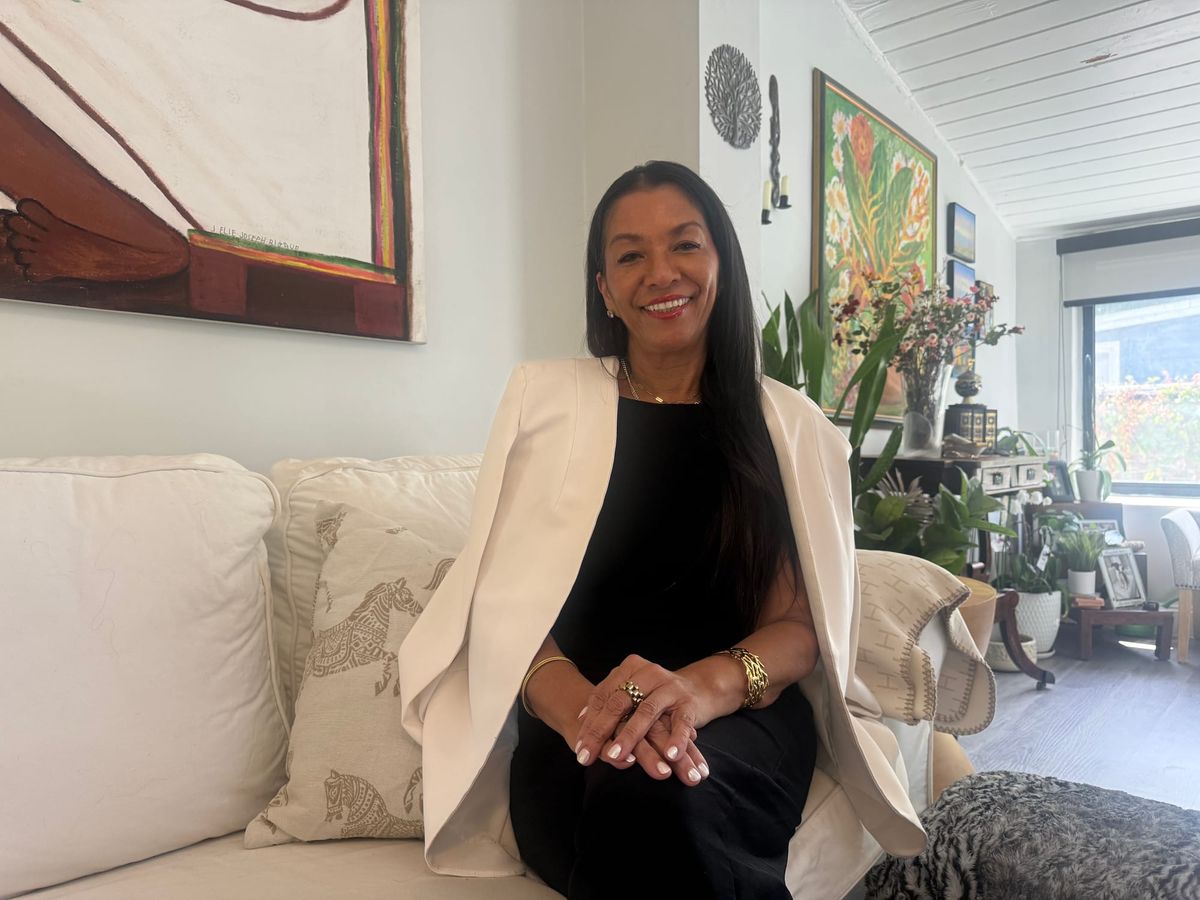
Just blocks away from the booming luxury developments of the Miami Design District, sisters Sabine Montas and Myrna Lallemand Coupet are working to create something different in Little Haiti — affordable housing rooted in community pride.
The Haitian-born sisters, alongside their business partner Kenly Silencieux, own 11 rental units throughout the neighborhood and are now transitioning their properties toward voucher-supported housing programs aimed to help Miami’s most vulnerable residents.
But for the sisters, their work goes beyond real estate. It is about improving neglected streets and investing in a community they said has long been overlooked.
Donate today to Miami Affordable Magazine, South Florida's first nonprofit news outlet dedicated exclusively to affordable housing solutions. Your donations help us to provide the news for free.
From Traditional Tenants to Voucher Housing
After years of dealing with inconsistent rent payments, evictions and tenant instability, Sabine and Myrna are now transitioning most of their units to voucher-supported housing programs.
Their goal is to dedicate all 11 units to residents participating in housing assistance programs.
“We prefer tenants with vouchers,” Sabine said. “They need a place to live, and they’re often more appreciative because they understand the opportunity.”
The sisters currently work with a range of programs and agencies, including Housing Choice Vouchers/Section 8, Citrus Health Network’s foster youth housing programs, Domestic violence housing programs, Camillus House, Lotus House, and Douglas Gardens Community Mental Health Center.
How the Voucher Process Works
Becoming a landlord who accepts vouchers is relatively straightforward, Sabine said.
Property owners list their available units through affordable housing databases used by case managers and housing agencies. Prospective tenants with vouchers then tour available properties and submit their interest through their assigned social workers.

Once a tenant selects a unit, the city schedules an inspection to ensure the property meets housing standards, including running water, smoke detectors, safe living conditions, functional appliances and utilities. For more information, email: lallemandllc@gmail.com.
If the property passes inspection, the tenant can move in, and the housing agency begins payments. But, while the process sounds simple, the sisters say bureaucracy remains one of the biggest challenges.
“The paperwork itself isn’t hard,” Sabine explained. “It’s the waiting. Sometimes the process takes a month or more, and during that time the unit sits empty.”
The delay is due to long processing times. While the application is being reviewed, the unit cannot be rented to other tenants in the meantime. This can create financial strain for landlords who still must cover mortgages, maintenance and taxes while waiting for approvals.
The Benefits of Voucher Housing for Investors
Despite the challenges, Sabine and Myrna believe voucher housing provides more stability than traditional renting in today’s market.
Voucher programs guarantee a consistent portion — or sometimes all — of the rent through government-backed funding.
The sisters say voucher tenants are often more motivated to maintain housing because losing the unit could jeopardize future assistance opportunities. This can also reduce evictions.
Their properties often house residents emerging from difficult situations, including foster care transitions, domestic violence shelters and temporary homelessness.
“The shelters are full,” Myrna said. “A lot of people needing housing aren’t who people imagine. Some had jobs, homes, careers — and just fell on hard times.”
Voucher tenants often remain longer than market-rate tenants, who can pay upwards of $1,800 a unit, creating more stable occupancy rates for landlords.
Still, the sisters emphasize that affordable housing is far from easy.
They described experiences with property damage, difficult evictions and challenges navigating privacy laws that limit what landlords can know about tenants’ backgrounds.
At the same time, they believe many of Little Haiti’s housing problems stem from broader economic realities.
“This area still doesn’t attract enough steady-income tenants,” Myrna said. “They just can’t afford it…It's best that we do recognize that the voucher program is more accessible.”
However, not everyone agrees voucher programs are more accessible. Edward "Ned" Murray, Associate Director of Florida International University's Metropolitan Center, said transitioning to renting only to voucher programs is a double-edged sword.

“We have a shortage of affordable rental housing in the first place,” Murray said. “It’s certainly not going to be good for those without (vouchers) in the space that most of our renters don't have it.”
Murray said that Section 8 vouchers have a significant waiting list, which worsens the market. More tenants are becoming severely cost-burdened. The standard of allotting 30% of one’s paycheck to rent was always the standard, but due to the current affordability crisis, that level is now at 50%, Murray said.
With that steep increase, tenants are at a higher risk of being evicted due to income instability.
Miami-Dade County’s eviction rate is about 3%, with nearly 15,900 eviction cases filed in the last year. While eviction filings are down by 11% across the county, Little Haiti tells a different story. According to Eviction Lab, residents there face eviction rates that are more than three times higher than the county average, highlighting the neighborhood's severe housing challenges.
Building Pride Through Development
While major developments continue expanding near Miami Design District, the sisters say Little Haiti residents still deal with illegal dumping, poor sidewalks and limited investment in neighborhood upkeep.
Donate today to Miami Affordable Magazine, South Florida's first nonprofit news outlet dedicated exclusively to affordable housing solutions. Your donations help us to provide the news for free.
“We’re a mile and a half away from luxury restaurants and major development,” Myrna said. “But people here still feel forgotten.”
Sabine and Myrna see their renovations as a way to encourage neighborhood pride and inspire surrounding property owners to invest in their own buildings.
After renovating their first properties with fresh paint, landscaping and upgraded facades, they noticed neighboring homes slowly beginning to improve, too.
As Little Haiti continues facing questions around affordability, displacement and redevelopment, the sisters hope their model can show that investment and community care don't have to exist separately.
“You have to feel pride where you live,” Myrna said. “Your home is your pride. Where you live represents who you are.”



Comments ()