It Can Take Years to Build Housing in Miami. City Leaders Say That’s the Problem
In Miami, building new housing can take years before construction even begins—and city officials say the slow permitting process is a major reason why.
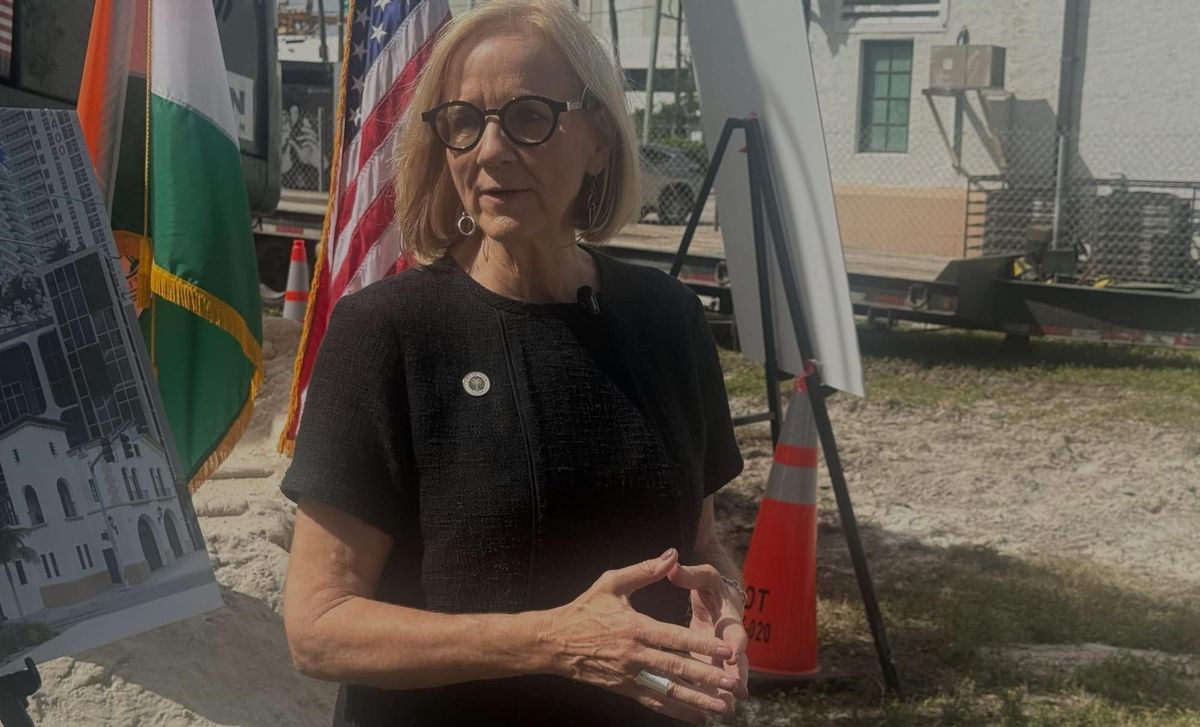
Mayor Eileen Higgins said she is working to speed up approvals, calling the current system “very slow” and in need of reform. She announced the creation of a task force focused on improving the city’s permitting process, speaking to Miami Affordable Magazine at a recent workforce housing groundbreaking in Overtown.
“When we can start construction in six to eight months, that is how we can get people” into affordable housing, Higgins said. “If the permitting process takes two to three years, it just isn't good.”
Why Permits Matter for Housing Costs
Delays in permitting don’t just slow down construction—they can also limit how quickly new housing becomes available, adding pressure to already rising rents.
In a city facing a shortage of tens of thousands of affordable units, every delay can push projects further out of reach for residents.
To address this, Higgins said the city is working to modernize the system using computer-assisted technology to streamline approvals, particularly for smaller projects like single-family homes.
Earlier this month, she added, the city launched same-day permitting for certain home improvements, including roof replacements and hurricane window installations.
Donate today to Miami Affordable Magazine, South Florida's first nonprofit news outlet dedicated exclusively to affordable housing solutions. Your donations help us to provide the news for free.
A Push to Build Faster
The mayor’s comments came during a groundbreaking event for a new workforce housing development called UNIDOS, a 30-story project planned for 1445 N. Miami Ave.
The project is a partnership between the Omni Community Redevelopment Agency and NR Investments and is expected to deliver 398 income- and rent-restricted units within the next three years.
Nir Shoshani, a principal at NR Investments, said the firm focuses on housing for residents earning between $50,000 and $100,000 annually—a group often priced out of Miami’s rapidly rising housing market.
Will It Make a Difference?
Higgins said accelerating projects like UNIDOS is key to addressing the city’s estimated shortage of 90,000 affordable housing units.
“We have to get these projects under construction more quickly,” she said.
While city leaders say reforms are underway, the impact of those changes may take time to materialize—and for now, both developers and residents continue to navigate a system widely seen as slow and difficult to move through.
Comments ()