Inside the $2M Affordable Housing Company She Built from the Ground Up
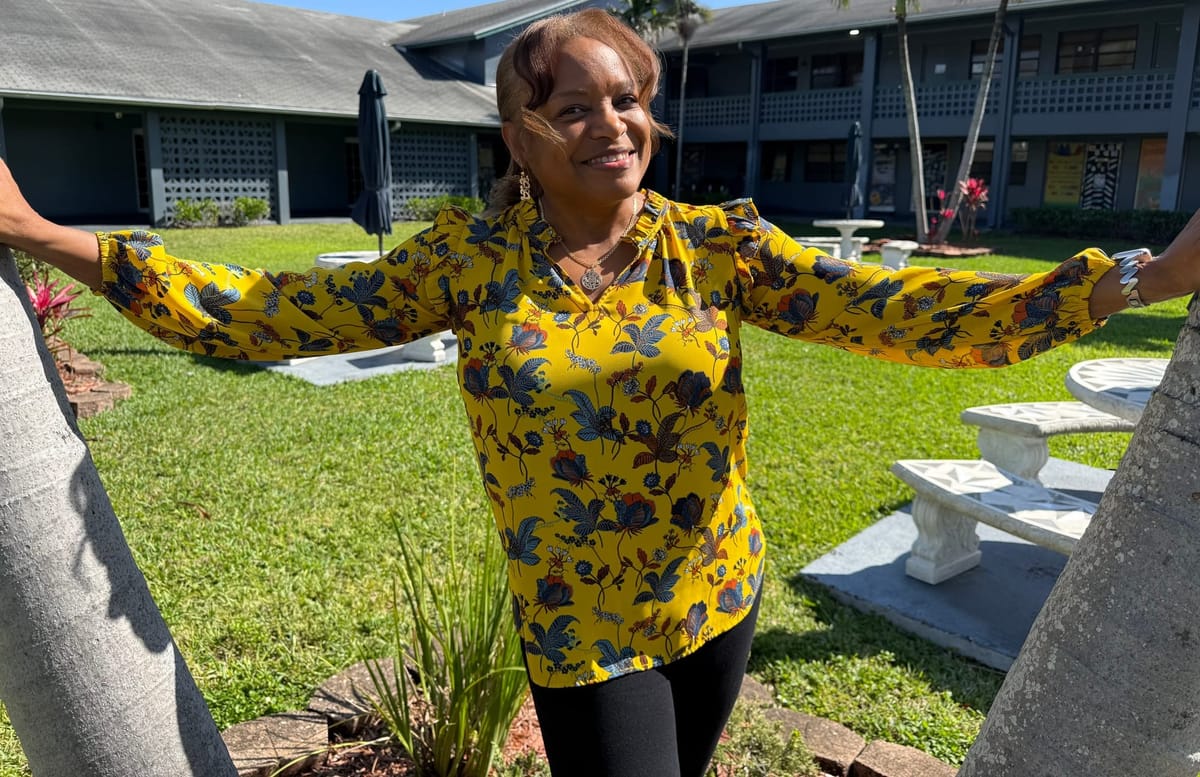
Dionnedria Robertson makes about $30,000 per year as an elementary school teacher and said she cannot afford a one-bedroom apartment in a decent Miami neighborhood.
She jumped on the first opportunity when she learned about co-living, a concept where landlords — such as affordable housing investor Donnise Webb — rent individual rooms in their houses to multiple people for as low as $1,200 a month.
Robertson's rent is $342 per week, including a washer and dryer, utilities, access to the common areas, bathroom, and a fully furnished room. “The rent works perfectly fine,” she said.
The average monthly rent in Miami is $2,212 as of March, according to Apartments.com. Miami is among the costliest cities in the US, with rent prices 36% higher than the $1,627 monthly national average, also according to Apartments.com.
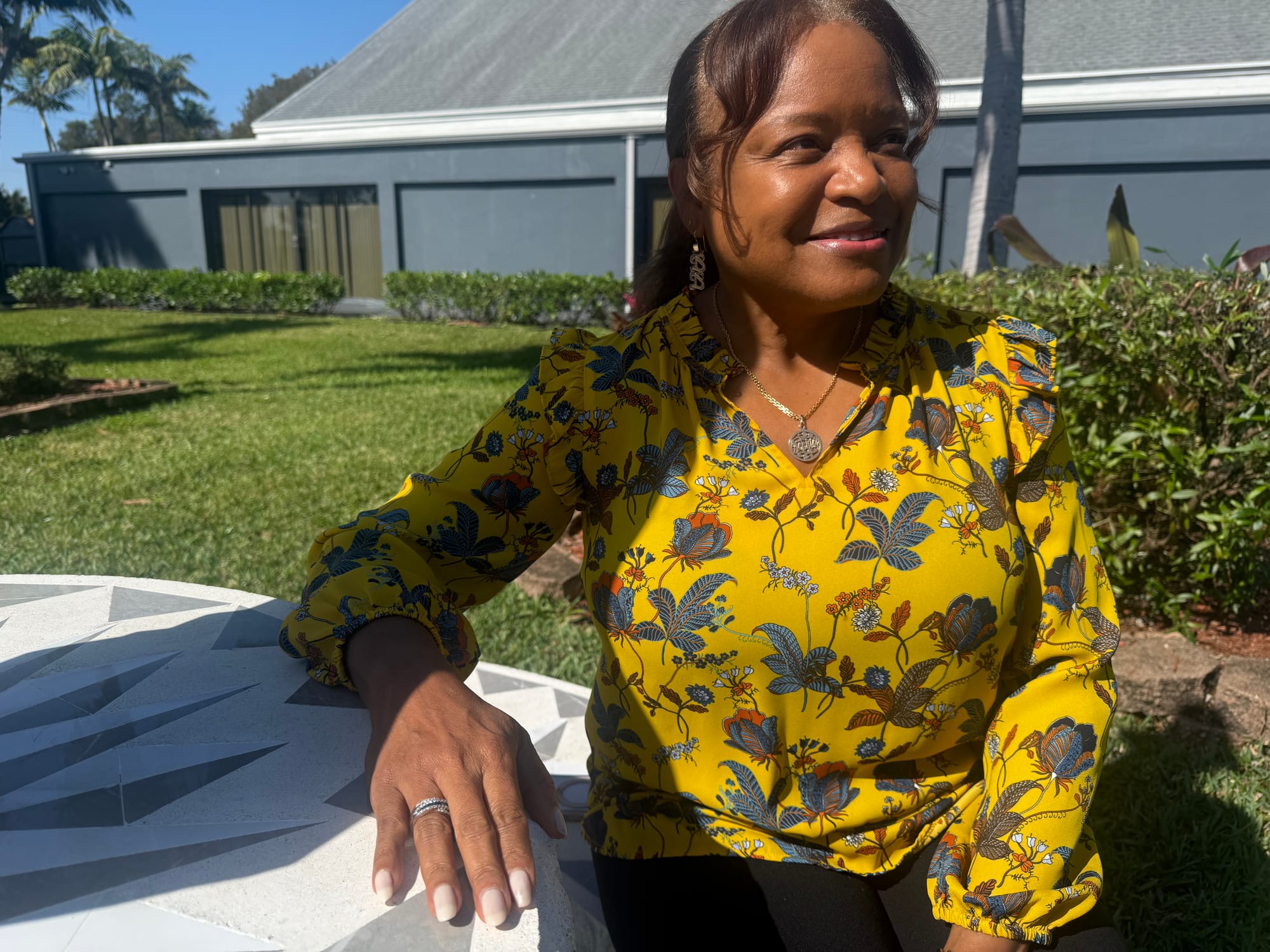
Webb, who’s a maritime lawyer and a graduate of the University of Florida, said the idea to tackle the affordable housing crisis in Miami came to her about six years ago while listening to a podcast, where landlords can choose to renovate their property after purchase to add more rooms or leave it as is. And then the landlord rents the room individually.
Unlike traditional apartments, Webb said she doesn’t charge a deposit. Prospective tenants have to earn more than half the rent, with an initial $100 that she pays for background checks. The rooms can be rented for short or long-term.
“[Tenants] can save hundreds of dollars versus getting their own apartment or their own house to rent,” said Webb, owner of Dee Webb Property Solutions. “It gives them a sense of community because there are others in the house with them. So, it’s win-win.”
Donate today to Miami Affordable Magazine, South Florida's first nonprofit news outlet dedicated exclusively to affordable housing solutions. Your donations help us to provide the news for free.
The co-living concept came at a critical time in a place like Miami – an area experiencing more than $90,000 affordable units, according to nonprofit Miami Homes For All.
And even when developers aim to build affordable units, they’re faced with a slow city permit system delaying major projects. Additionally, less than 58% of households in the Miami metropolitan region are homeowners, according to a September analysis from the real estate firm Redfin.
The Investment Game?
Webb’s God sister, Melissa Whylie, lauds Webb’s work ethic.
“[Webb] is a person you can count on,” Whylie said. “When she said she’s going to do something, she’s going to do it.”
Webb purchased her first co-living property for $150,000 in Miami’s West Little River around 2020, renovated it and now houses all women.
Though, she purchased another home in Miami Gardens that is co-ed. There’s another coming online by the end of this month, also in the same location.
Nowadays, Webb’s company portfolio is worth $2 million and is already eyeing cities like Cleveland and Atlanta for investment.
It’s all about running the numbers, Webb said, recommending prospective landlords to purchase cheap homes to get a low mortgage and then rehabilitate the house.
She recommends buyers to look at the price of the home, factor in how many bedrooms they can add, how much the market is charging for rent and decide whether it’s worth investing.
For people who have low credit and want to operate co-living spaces, Webb recommends looking for landlords who are willing to rent the property and enter into an agreement to rent it for co-living.
Homebuyers can also team up with family members who have better credit than them to co-buy. And then they split the revenue.
Is it worth investing?
One of the most important factors as to why this is successful is because housing has become unaffordable, Webb said — particularly in most areas of Miami.
Rents are skyrocketing, wages are not. She added this model serves a much-needed demographic of people who need affordable housing.
“So, you are able to help people in the community by providing affordable housing,” Webb said. “But, also, as the property owner, it’s a safer investment for us, and it can be more lucrative.”
But the concept of investing into co-living also faces drawbacks, she said, such as unexpected costs of rehabilitating the home and then tenants not getting along and having to come up with a solution. Webb said she has not had to force tenants to leave the property but acknowledged that there has been an incident where the tenants didn’t get along.
But she’s dedicated to solving the housing crisis, she said, adding that while she does not offer investment courses, she will be open to mentor people who are willing to learn.
“It’s not rocket science. It’s just a matter of understanding the cost that will incur and figuring out the income,” Webb said.
This article is part of Miami Affordable Magazine's Women History Month Coverage.
Comments ()